Our Analytical Approach
UAE Experience Map employs comprehensive analytical methods to examine architectural spaces, thematic zones, interactive centers, exhibitions, urban programs, and water locations. Our system processes data to form a comprehensive understanding of how these elements function within the urban environment.
We identify structures that shape unique experiences and provide insights into the evolving landscape of leisure and cultural activities in the UAE.

Data Processing
Our analytical framework processes information about destinations, their characteristics, spatial relationships, and temporal patterns. This data processing enables us to identify connections, patterns, and opportunities that enhance understanding of the cultural landscape.
By analyzing how different destinations interact and connect, we can map out optimal routes and experience combinations that maximize cultural engagement.

Structural Analysis
We examine the structural organization of cultural destinations, considering how architectural design, spatial layout, and thematic coherence influence visitor experience. This analysis helps identify what makes each destination unique and how it contributes to the broader cultural ecosystem.
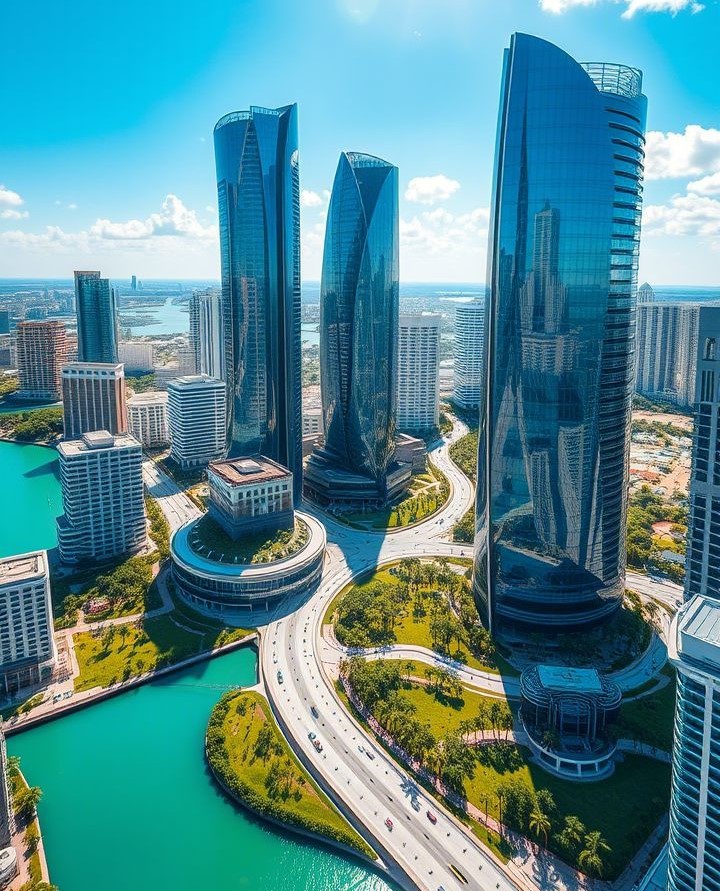
Analytics Metrics
| Metric | Category | Value | Trend |
|---|---|---|---|
| Destination Connections | Spatial Analysis | 150+ | Increasing |
| Visitor Flow Patterns | Behavioral | 85% Analyzed | Stable |
| Thematic Clusters | Content Analysis | 12 Identified | Growing |
Analytics Methods
How do we analyze spatial relationships?
We map destinations using geographic data, analyze proximity patterns, and identify natural pathways that connect different locations. This helps understand how spaces relate to each other within the urban environment.
What data sources do we use?
Our analysis incorporates architectural data, visitor patterns, thematic classifications, temporal information, and spatial relationships to form comprehensive insights.
Analysis Categories
Spatial Analysis
Examines geographic relationships and proximity patterns between destinations.
Thematic Analysis
Identifies content themes and how they connect across different destinations.
Flow Analysis
Maps visitor movement patterns and identifies optimal routes.